
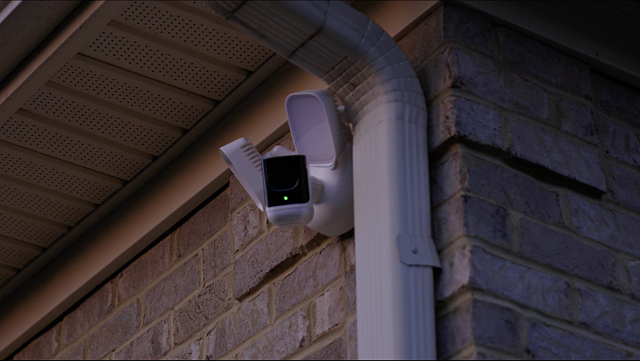
Property surveillance has become an important part of maintaining organized and well monitored spaces. Security cameras help property owners keep track of activities across different areas while supporting a structured approach to oversight.
Modern systems are designed with features that improve visibility, provide access to live footage, and store recordings for later review. With proper setup and ongoing support, these systems contribute to consistent monitoring and better awareness of surroundings.
Understanding Security Cameras
Security cameras are devices used to capture video footage of designated areas for monitoring purposes. They are commonly installed in key locations to observe movement, activity, and general conditions within a property.
These systems can operate continuously and often include features such as motion detection, recording storage, and remote viewing options. By connecting cameras to a central system, users can manage surveillance from a single interface.
Key Functions of Security Cameras
Security cameras provide continuous video recording for ongoing observation, live viewing for real-time awareness, motion detection for activity alerts, video storage for reviewing past events, and remote access through connected devices.
These functions help create a structured monitoring system that supports consistent visibility and organized oversight.
Benefits of Security Cameras
Security cameras provide several advantages that support both monitoring and daily operations. They help create a clear view of important areas while allowing users to stay informed without constant physical presence.
Improved Visibility and Awareness
Security cameras allow users to observe different areas at any time. This helps maintain awareness of movement and activity across entry points, open spaces, and restricted zones.
Clear visuals also make it easier to review situations when needed. This adds an extra layer of understanding to daily operations and supports better decision making.
Organized Monitoring System
Security cameras help establish a structured approach to surveillance. With proper placement, they can cover multiple areas without overlap or gaps.
This organized setup ensures that monitoring is consistent and efficient. It also allows users to focus on important zones while maintaining overall coverage.
Importance of Security Camera Installation
Security camera installation plays a key role in how well a surveillance system performs. Proper setup ensures that cameras are positioned correctly and connected in a way that supports stable operation.
The placement of cameras affects coverage, clarity, and overall effectiveness. A well-planned security system installation helps reduce blind spots and improves the quality of recorded footage.
Benefits of Proper Installation
- Accurate placement for full area coverage
- Stable system connections for consistent performance
- Clear video capture with proper alignment
- Reduced gaps in monitored zones
- Improved long term reliability
Careful installation helps ensure that the system functions as intended and provides dependable monitoring over time.
Role of Professional Security Camera Installers
Professional security camera installers bring experience and technical knowledge to the setup process. They help design and implement systems that match the layout and requirements of a property.
Their approach includes evaluating spaces, selecting suitable equipment, and ensuring proper configuration. This helps create a system that operates efficiently and meets monitoring needs.
What Installers Typically Handle
- Assessing layout and identifying key monitoring areas
- Recommending suitable camera types
- Installing hardware and setting up connections
- Configuring system settings for optimal use
- Testing performance to ensure proper operation
Working with experienced installers helps ensure that the system is set up correctly from the beginning and performs consistently over time.
Camera Security Services and Maintenance
Camera security services focus on maintaining and supporting surveillance systems after installation. These services help keep equipment in good condition and ensure continued performance.
Regular maintenance helps identify minor issues early and keeps the system functioning smoothly. It also supports updates and adjustments that improve overall usability.
Common Services Include
Commercial security system maintenance typically includes routine system inspections and checks, software updates and performance improvements, cleaning and adjustment of camera equipment, troubleshooting technical issues, and enhancing or expanding system capabilities.
These services help ensure consistent performance and extend the lifespan of the surveillance system.
Applications of Security Cameras
Security cameras can be used in different types of environments, depending on monitoring needs and layout. Their adaptability allows them to support a wide range of surveillance requirements.
Residential Spaces
In residential settings, security cameras help monitor entrances, outdoor areas, and common spaces. They provide homeowners with visibility and awareness of activities around their property.
Business Environments
In business spaces, cameras are used to observe customer areas, work zones, and storage sections. They help maintain organization and support daily operations through structured monitoring.
Choosing the Right Security Camera System
Selecting a security camera system involves understanding the specific needs of the property and identifying the features that best support those needs. Working with a professional monitoring company helps ensure the system delivers effective coverage and long-term usability.
Key Factors to Consider
- Size and layout of the area
- Number of locations requiring monitoring
- Camera resolution and image quality
- Storage capacity for recordings
- Availability of remote access features
By evaluating these factors, users can select a system that aligns with their goals and provides reliable surveillance over time.
Planning and Placement of Security Cameras
Proper planning and placement of security cameras are essential for achieving effective coverage. A well thought out layout ensures that important areas are monitored without unnecessary overlap or gaps.
Strategic positioning also helps improve image clarity and reduces blind spots. This supports better visibility and ensures that the system captures useful and relevant footage.
Placement Considerations
- Entry and exit points for controlled monitoring
- High traffic areas for activity tracking
- Proper angles to avoid blind spots
- Lighting conditions for clear image quality
Careful planning and placement contribute to a more organized surveillance setup that supports consistent monitoring and reliable performance.
Advanced Features of Modern Security Cameras
Modern security cameras come with advanced features that enhance monitoring and improve overall system performance. These features are designed to provide better clarity, automation, and ease of use for property owners.
They help create a more responsive surveillance setup by combining intelligent functions with reliable hardware. This allows users to manage security more effectively while staying informed in real time.
Key Advanced Features
- High definition video for clear image quality
- Night vision for low light monitoring
- Motion detection with smart alerts
- Two way audio for communication
- Cloud storage for secure access to recordings
These features improve the functionality of security cameras and support more efficient and convenient surveillance management.
Cost Considerations for Security Camera Systems
Choosing a security camera system also involves understanding the overall cost and long term value. Costs can vary based on system size, features, installation requirements, and ongoing support services.
A well planned investment focuses not only on initial setup but also on durability, performance, and maintenance. This helps ensure that the system continues to meet surveillance needs over time.
Factors Affecting Cost
The cost of a commercial security system depends on several factors, including the number of cameras required for full coverage, the type and quality of equipment selected, and the complexity of the security camera installation.
It also includes the need for professional security camera installers and the availability of ongoing camera security services and support. Considering these factors helps businesses choose a system that balances performance, reliability, and long-term usability.
Conclusion
Security cameras improve property surveillance by providing continuous monitoring, clear visibility, and organized coverage. They help users stay aware of activities and maintain better oversight of different areas. Contact All Star Security for more information about security camera solutions.
With proper security camera installation and support from professional security camera installers, systems operate efficiently and deliver consistent results. Camera security services also help keep systems updated, maintained, and reliable over time.
FAQs
1. What are security cameras used for?
They are used to monitor areas, record activities, and provide visibility across different parts of a property.
2.Why is security camera installation important?
Proper installation ensures correct placement, stable connections, and effective system performance.
3. What do professional security camera installers do?
They handle system design, installation, configuration, and testing to ensure proper operation.
4. What are camera security services?
These services include maintenance, updates, troubleshooting, and ongoing support for surveillance systems.
5. Can security cameras be accessed remotely?
Yes, many systems allow users to view live and recorded footage through connected devices from different locations.
