
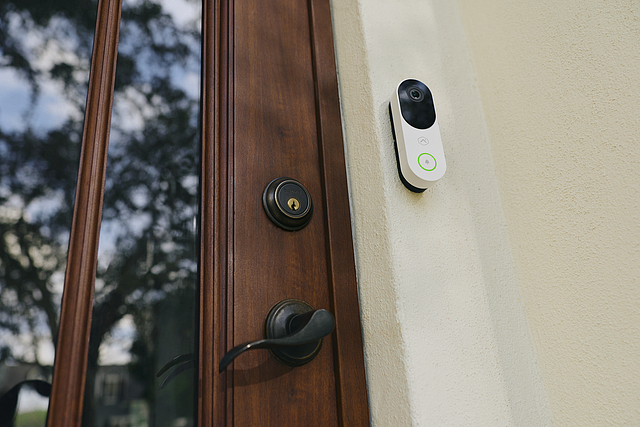
Security cameras are now essential for modern property management in Austin. They help homeowners and businesses monitor activity, improve visibility, and stay aware of their surroundings.
Modern systems also include features like remote viewing and motion alerts, allowing property owners to stay connected to their property from anywhere.
Understanding Security Cameras
Security cameras are electronic devices that record and monitor activities within specific areas. They provide visual coverage of important locations and allow users to review footage whenever necessary.
Today’s surveillance systems are designed to deliver clear video, real-time monitoring, and convenient access through connected devices. This makes them valuable tools for both residential and commercial properties.
What Are Security Cameras?
Security cameras are surveillance devices that capture video footage of designated areas. They can be installed indoors or outdoors depending on the monitoring requirements of the property.
Many modern cameras include features such as night vision, motion detection, and cloud storage. These capabilities help improve overall surveillance performance.
How Security Cameras Work
Security cameras capture video footage and send it to a recording device or cloud storage platform. Users can access this footage through a central monitoring system.
Some systems also provide real-time alerts when movement is detected. This allows property owners to respond quickly to activity occurring on their premises.
Why Security Cameras Are Important for Property Surveillance
Property surveillance helps maintain awareness of activities occurring throughout a property. Security cameras support this process by providing continuous monitoring and recorded evidence.
Whether monitoring a home, office, retail store, or warehouse, surveillance systems help property owners stay informed and organized.
Improves Visibility Across the Property
- Security cameras monitor unoccupied areas
- They cover entrances, hallways, parking lots, and outdoor spaces
- They improve visibility and awareness
- They support effective monitoring practices
Supports Daily Monitoring
- Easy monitoring without being present
- Access live or recorded footage anytime
- Improves convenience and oversight
Key Benefits of Security Cameras
Security cameras provide several advantages that contribute to effective property surveillance and are an important part of smart home security. They help create a structured monitoring system while improving awareness and visibility throughout the property.
Better Area Coverage
Strategically placed cameras can monitor multiple locations simultaneously. This helps reduce blind spots and ensures important areas remain visible. Comprehensive coverage improves the overall effectiveness of the surveillance system.
Access to Recorded Footage
Video recordings provide a valuable record of activities that occur on the property. Users can review footage to verify events and gain additional insight when necessary. This feature helps support better decision-making and record keeping.
Remote Monitoring Convenience
Many modern systems allow users to access cameras through smartphones, tablets, or computers. Remote access provides flexibility and allows property owners to monitor their property from virtually any location.
Importance of Security Camera Installation
Even the best camera system requires proper installation to perform effectively. Security camera installation ensures equipment is placed in the correct locations for optimal coverage. Professional installation also helps prevent technical issues that can affect system performance.
Proper Camera Placement
Correct placement is essential for achieving full coverage. Cameras must be positioned to capture important areas without creating unnecessary overlap. Professional planning helps maximize visibility while reducing blind spots.
Reliable System Performance
Proper installation ensures stable connections and dependable operation. A professionally installed system is more likely to deliver consistent performance over the long term.
Role of Security Camera Installers
Security camera installers play an important role in designing and implementing surveillance systems. Their experience helps ensure that cameras are positioned correctly and configured according to the property’s monitoring needs.
Site Assessment and Planning: Installers evaluate the property layout and identify areas that require surveillance coverage. This assessment helps determine the most effective camera placement strategy.
Equipment Selection: Different properties require different surveillance solutions. Professional installers recommend equipment that matches the property’s size, layout, and monitoring objectives.
System Configuration and Testing: After installation, technicians configure settings and test equipment performance. This process ensures that the system operates correctly and delivers reliable surveillance coverage.
Advanced Features of Modern Security Cameras
Technology has significantly improved the capabilities of security cameras. Modern systems include advanced features that enhance monitoring and improve user convenience.
High Definition Video Quality: High-definition cameras capture clearer images and provide better detail. Improved image quality makes it easier to observe activities and review recorded footage.
Night Vision Monitoring: Night vision technology allows cameras to function effectively in low-light conditions. This helps maintain visibility during nighttime hours and in poorly lit areas.
Motion Detection Alerts: Motion detection automatically identifies movement within designated zones. Users can receive notifications when activity is detected, allowing for faster awareness.
Cloud Storage Access: Cloud storage provides secure access to recorded footage from anywhere with an internet connection. This feature helps protect recordings and simplifies video management.
Planning and Placement of Security Cameras
A successful surveillance system begins with careful planning. Proper placement ensures that cameras provide effective coverage while maintaining image quality.
Monitoring Entry and Exit Points: Entrances and exits are among the most important locations for surveillance coverage. Monitoring these areas helps improve awareness of movement throughout the property.
Reducing Blind Spots: Camera placement should minimize areas that remain outside the field of view. Reducing blind spots contributes to more complete surveillance coverage.
Considering Lighting Conditions: Lighting affects image quality and camera performance. Proper placement takes natural and artificial lighting into account to improve visibility.
Camera Security Services and Maintenance
Regular maintenance helps ensure that surveillance systems continue operating effectively. Camera security services provide support that keeps equipment functioning properly over time.
Routine System Inspections: Periodic inspections help identify issues before they become larger problems. This supports consistent system performance and reliability.
Software Updates: Software updates improve functionality and help maintain system security. Keeping systems updated ensures access to the latest features and improvements.
Equipment Maintenance: Routine cleaning and maintenance help preserve image quality and equipment performance. Regular upkeep can also extend the lifespan of surveillance components.
Choosing the Right Security Camera System
Selecting the right system requires careful consideration of property requirements and monitoring goals within home security systems. Understanding your needs helps ensure the chosen solution provides effective surveillance coverage.
Property Size and Layout
- Property size affects camera requirements
- Design influences camera type selection
- Larger properties need more equipment
- Extra cameras ensure full coverage
Video Quality Requirements
- Different properties have varying image quality needs
- Higher-resolution cameras provide more detailed footage
- They improve overall visibility
- They help capture clearer details for better monitoring
Conclusion
Security cameras enhance property surveillance in Austin by providing continuous monitoring, improved visibility, and easy access to recorded footage. With professional installation and ongoing support services, they ensure reliable long-term monitoring for both homes and businesses. Contact All Star Security for more information about security cameras.
Frequently Asked Questions
1. What are security cameras used for?
Security cameras are used to monitor areas, record activities, and provide visibility across different parts of a property.
2. Why is professional security camera installation important?
Professional installation helps ensure proper camera placement, reliable connections, and effective surveillance coverage.
3. What do security camera installers do?
They assess the property, recommend equipment, install cameras, configure systems, and test performance.
4. What are camera security services?
Camera security services include maintenance, inspections, software updates, troubleshooting, and ongoing support.
5. Can security cameras be accessed remotely?
Yes. Most modern systems allow users to view live and recorded footage through smartphones, tablets, and computers.
